
Used Car Engine Buying Guide: What You Need to Know Before Making a Purchase
- Mar 4, 2022
- 3 min read
Updated: Apr 30, 2025
Buying a used car engine can be a cost-effective way to keep your vehicle running smoothly without spending a fortune on a brand-new replacement. However, making the right purchase requires careful consideration to avoid costly mistakes. In this guide, we’ll walk you through key factors to keep in mind when buying a second-hand engine.
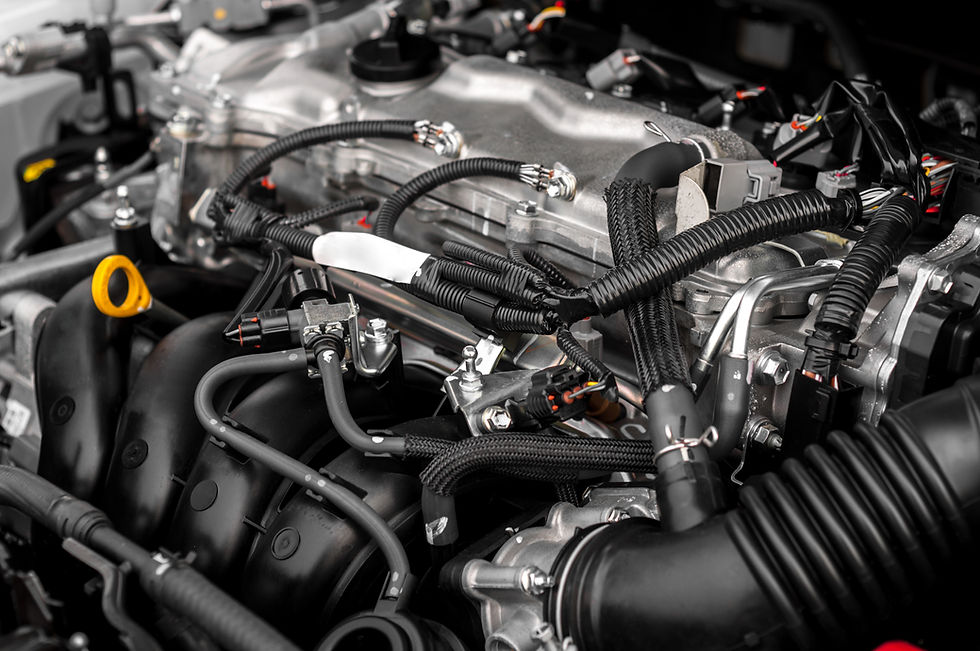
1. Determine Compatibility - Before Buying Used car engine
Before you start searching for a used engine, ensure it is compatible with your vehicle’s make, model, and year. Check your car’s VIN (Vehicle Identification Number) or consult a mechanic to determine the exact specifications required.
2. Understand the Engine’s History
Ask the seller for details on the engine’s mileage, maintenance records, and reason for removal. An engine with a clean history and regular maintenance is more likely to function properly compared to one from a neglected vehicle.
3. Conduct a Visual Inspection
Examine the engine for visible signs of wear, corrosion, leaks, or damage. A clean and well-maintained engine is generally a good sign, but don’t rely solely on appearances—internal damage might not be visible at first glance.

4. Perform a Compression Test
A compression test can reveal the engine’s internal health. If possible, have a mechanic perform this test to ensure the cylinders are generating adequate pressure, which is crucial for efficiency and longevity.
5. Check for Warranty or Return Policy
A reputable seller will often provide a limited warranty or a return policy. Ensure you understand the terms of any warranty, as this could save you from expensive repairs in the future.
6. Source from a Reliable Seller
Purchase your used engine from trusted sources such as certified junkyards, salvage yards, or professional automotive dealers rather than unverified individual sellers. Online marketplaces can be an option, but exercise caution and verify seller reviews before committing.
7. Confirm Compatibility of Accessories
If the engine comes with attached components such as the alternator, turbocharger, or intake manifold, confirm whether these parts are functional. Sometimes, sellers include components that might not be in working condition, requiring additional repairs.
8. Estimate Installation Costs
Factor in the cost of installation by consulting a professional mechanic before purchasing. Some used engines might require additional modifications or new parts, which can increase the total cost of replacement.
9. Negotiate the Price
If you’ve done your research and identified potential concerns, use them as leverage to negotiate the price with the seller. A fair deal ensures you get the best value for your money.
10. Test Before Finalizing the Purchase
Whenever possible, try to test the engine before completing the transaction. Running a pre-installed engine before removal or checking its performance with diagnostic tools can help identify hidden defects.
Final Thoughts
Purchasing a used car engine requires due diligence, patience, and knowledge. By following these tips, you can minimize risks and ensure that you invest in a reliable engine that meets your vehicle’s needs. Whether you’re looking for a budget-friendly replacement or a high-performance engine, careful evaluation can make all the difference in your final purchase.


Comments