
The Future of Ghana’s Auto Industry: Can We Compete Globally in 2024 & beyond?
Updated: May 8
Ghana is no longer just a destination for "home-used" imports. Over the last few years, the landscape of the Ghanaian automotive market has shifted from a purely import-driven economy to a burgeoning assembly hub. But the big question remains: Can Ghana truly compete on the global stage?
At Autolast, we’ve been tracking these changes closely. Here is the 2024 deep dive into the challenges, the triumphs, and what this means for the average Ghanaian driver.

1. The Rise of the "Made in Ghana" Brand
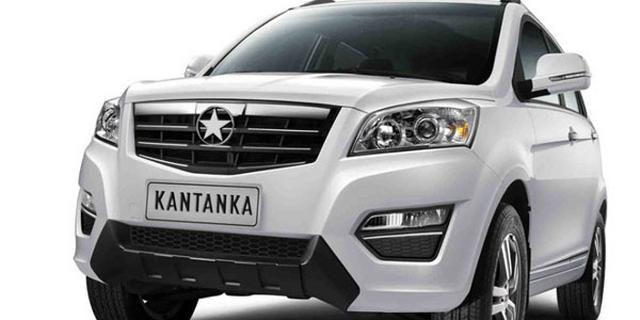
The Ghana Automotive Development Programme (GADP) has successfully attracted some of the world’s biggest names. While Kantanka Automobile remains the pioneer of indigenous manufacturing, the arrival of global giants has changed the game.
Today, assembly plants for Toyota, Nissan, Volkswagen, Suzuki, and KIA are fully operational in Ghana. These aren't just small projects; they represent a significant vote of confidence in Ghana’s industrial potential.
2. Why Ghana is Winning (The Competitive Edge)
For Ghana to compete, it must offer something the international market needs. Here are the three pillars of our current success:
The AfCFTA Advantage: Under the African Continental Free Trade Area, vehicles assembled in Ghana can be exported to other African countries with significantly reduced or zero duties.
Reduced Ownership Costs: Brand-new, locally assembled cars often come with 3 to 5-year warranties and flexible financing plans that "home-used" imports simply cannot match.
Quality Standards: With global brands overseeing local assembly, the "Made in Ghana" tag now meets international safety and performance benchmarks.
3. The Challenges: What’s Holding Us Back?
Competing globally isn't without its hurdles. To reach the next level, Ghana must address:
Component Manufacturing: Currently, most parts are imported as "Knocked-Down" kits. To be truly competitive, we need to start producing tires, glass, and batteries locally.
The Price Gap: While duties are lower for local assembly, the initial purchase price of a brand-new car is still high for many Ghanaians compared to 10-year-old imports.
The EV Shift: The world is moving toward Electric Vehicles (EVs). If Ghana wants to compete in 2030, our assembly lines must begin preparing for the electric revolution today.
4. Maintenance: The Secret to Longevity
Whether you drive a locally assembled Nissan or a high-spec import, Ghana’s tropical climate and road conditions demand superior maintenance. A car is only as good as the care it receives.
This is where premium quality matters. Using the right engine oils and genuine spare parts is the difference between a car that lasts 5 years and one that lasts 20.
Pro Tip: Always check your manufacturer’s manual for specific fluid requirements. Using a high-performance lubricant like 77 Lubricants ensures your engine stays cool and protected even in heavy Accra traffic.
Final Verdict
Ghana has the blueprint to become the "Detroit of Africa." By leveraging AfCFTA and maintaining high standards for aftermarket care, we aren't just competing—we are leading.
What do you think? Would you choose a brand-new locally assembled car over a "home-used" import? Let us know in the comments!



Comments