
Understanding Battery and Alternator Issues in Your Vehicle
Understanding the Basics: Battery vs. Alternator
Before diving into symptoms and diagnosis, it is essential to understand the fundamental differences between the battery and alternator.
The battery is responsible for providing the electricity needed to start the engine. It stores energy for immediate use and powers electrical components when the engine isn’t running.
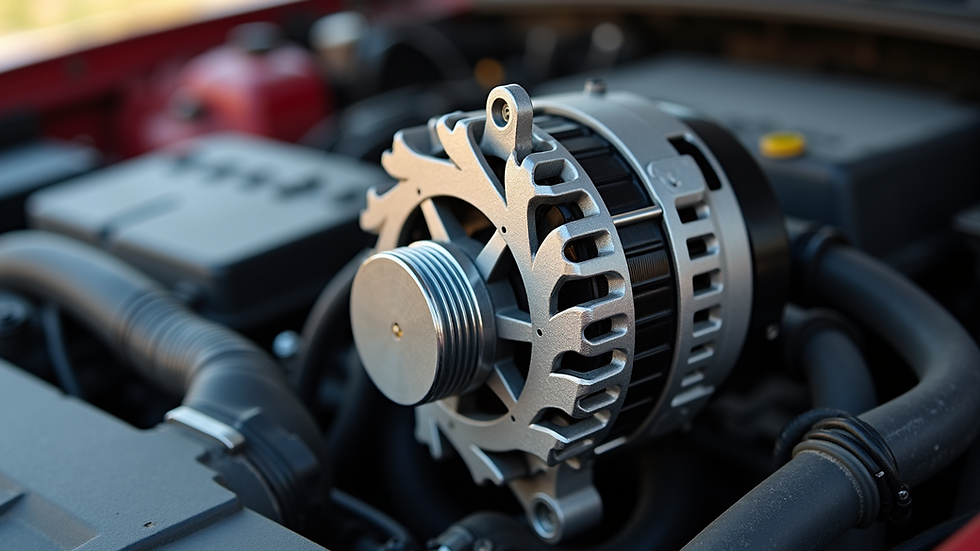
Conversely, the alternator generates electricity once the engine is running, supplying power to the electrical system and keeping the battery charged.
How to Know if the Problem is the Alternator or the Battery?
Determining whether you have a bad battery or alternator can often be simplified through a few systematic checks.
Visual Inspection: Start by inspecting both the battery and alternator. Look for signs of corrosion on battery terminals or any physical damage on the alternator.
Battery Voltage Check: Using a multimeter, check the battery voltage. A healthy battery should read about 12.6 volts when fully charged. If your reading is significantly lower, the battery could be the problem.
Jump Starting: If you can get the vehicle running with a jump start but it dies after the cables are removed, the alternator is likely bad.
Complete Charging Cycle: Run the engine for a while and then check the battery voltage again. If it stays below 12 volts, the alternator is not charging the battery properly.
How Do I Know if I Need a Battery, Starter, or Alternator?
Here’s how to pinpoint your car’s issues one step further.
Battery: Look for signs like dimming lights, a slow cranking engine, or an inability to start the car. If the battery is more than three years old, it may be time for a replacement.
Starter: If you hear a clicking sound when turning the key, or if the engine fails to crank at all while the lights and electrical components function normally, it could be the starter.
Alternator: If the warning lights go on after starting your vehicle or if electrical components malfunction while the engine is running, the alternator could be responsible.
Can You Have a Bad Alternator but a Good Battery?
Yes, it is entirely possible to have a functioning battery while the alternator is failing. In such cases, the battery can provide enough charge to start the vehicle but will not be recharged adequately by the alternator, leading to eventual battery depletion.
What is the Difference Between Battery and Alternator Failure?
Understanding how each component fails can help in diagnosing them more accurately.
Battery Failure: Generally occurs due to age, excessive heat, cold weather, or lack of maintenance. Symptoms often include slow cranking, electrical issues, and swollen battery cases.
Alternator Failure: Usually results from worn-out bearings, faulty voltage regulators, or damaged diodes. Symptoms may include flickering lights, a burning smell, or unusual noises from the engine bay.
Signs of a Bad Alternator vs. Bad Battery
It is essential to recognize the distinct symptoms associated with each issue.
Signs of a Bad Battery
Dimming headlights and interior lights
Electrical accessories malfunctioning
A slow or non-responsive engine crank
Swelling or leaking battery case
Signs of a Bad Alternator
Warning light on the dashboard (battery symbol)
Flickering or dimming headlights
Strange noises, like whining or grinding
Burning smell indicating overheating components
Battery vs. Alternator vs. Starter
When troubleshooting, it's helpful to remember the roles of each component:
Battery: Powers the vehicle's electrical needs and starts the engine.
Alternator: Charges the battery and supplies power once the engine is running.
Starter: Engages the engine, turning it over to initiate combustion.
Weak Car Battery Symptoms
A weak battery can lead to multiple problems, particularly in cold weather. Common symptoms of a weak car battery include:
Slow engine crank when starting
Frequent need for jump-starting
Electrical accessories not functioning properly
Corrosion buildup at battery terminals
Recognizing these signs early can save you from being stranded later.
Bad Alternator Symptoms
The alternator’s failure can impact your car's electrical systems dramatically. Watch for these symptoms:
Dashboard warning lights illuminating
Dimming headlights, particularly when idling
Multiple electrical failures (radio, power windows, etc.)
Battery fluid levels depleting rapidly
If you notice these issues, it may indicate a waning alternator.
Signs of a Bad Car Battery vs. Starter
It can be challenging to differentiate between a battery and starter issue. Keep in mind these distinguishing signs:
Bad Car Battery: Slow crank, no sound, buzzing noise when turning the key.
Bad Starter: Only a clicking sound when trying to start, no engine crank, and lights operational.
Finding these signs early can save time and money in diagnosing issues.
Can You Jumpstart a Car with a Bad Alternator?
While it's possible to jumpstart a car with a bad alternator, it is not a long-term solution. The car may start and run for a brief period, but without a functioning alternator, the battery will not recharge while the engine operates. This means you could find yourself stranded again shortly after.
Will a Bad Alternator Drain a Battery When the Car is Off?
Yes, a faulty alternator can potentially drain the battery even when the car is off. If the alternator is not functioning properly, it may continue to draw power from the battery, leading to a dead battery situation.
What Happens When an Alternator Goes Out While Driving?
If the alternator fails while you're driving, you'll likely receive a warning light on the dashboard. Initially, you may notice dimming lights and electrical failures. If the alternator isn't working, the vehicle will eventually sputter and stall due to the battery no longer being charged. It is advisable to pull over safely as soon as you experience these symptoms.
The Importance of Regular Maintenance
Regular maintenance is crucial for the longevity of your vehicle's electrical system. Here are some tips to keep your battery and alternator in good shape:
Inspect Regularly: Check for corrosion and clean terminals.
Test Battery Health: Have your battery tested at least once a year.
Monitor Electrical Systems: Pay attention to any changes in performance.
By staying proactive, you can avoid unexpected breakdowns.
Conclusion
Troubleshooting a faulty car battery or alternator can indeed be complicated, but by understanding the roles of each component and recognizing the symptoms of their failures, you can diagnose your vehicle's issues more effectively. Always remember that while a jumpstart may provide a temporary fix, identifying the true problem and replacing faulty components is essential for maintaining a reliable vehicle.
For a better driving experience, keeping your battery and alternator well-maintained, and addressing concerns promptly, is your best strategy.
Consider scheduling regular inspections with your mechanic to avoid unexpected failures in the future!


Comments